Article
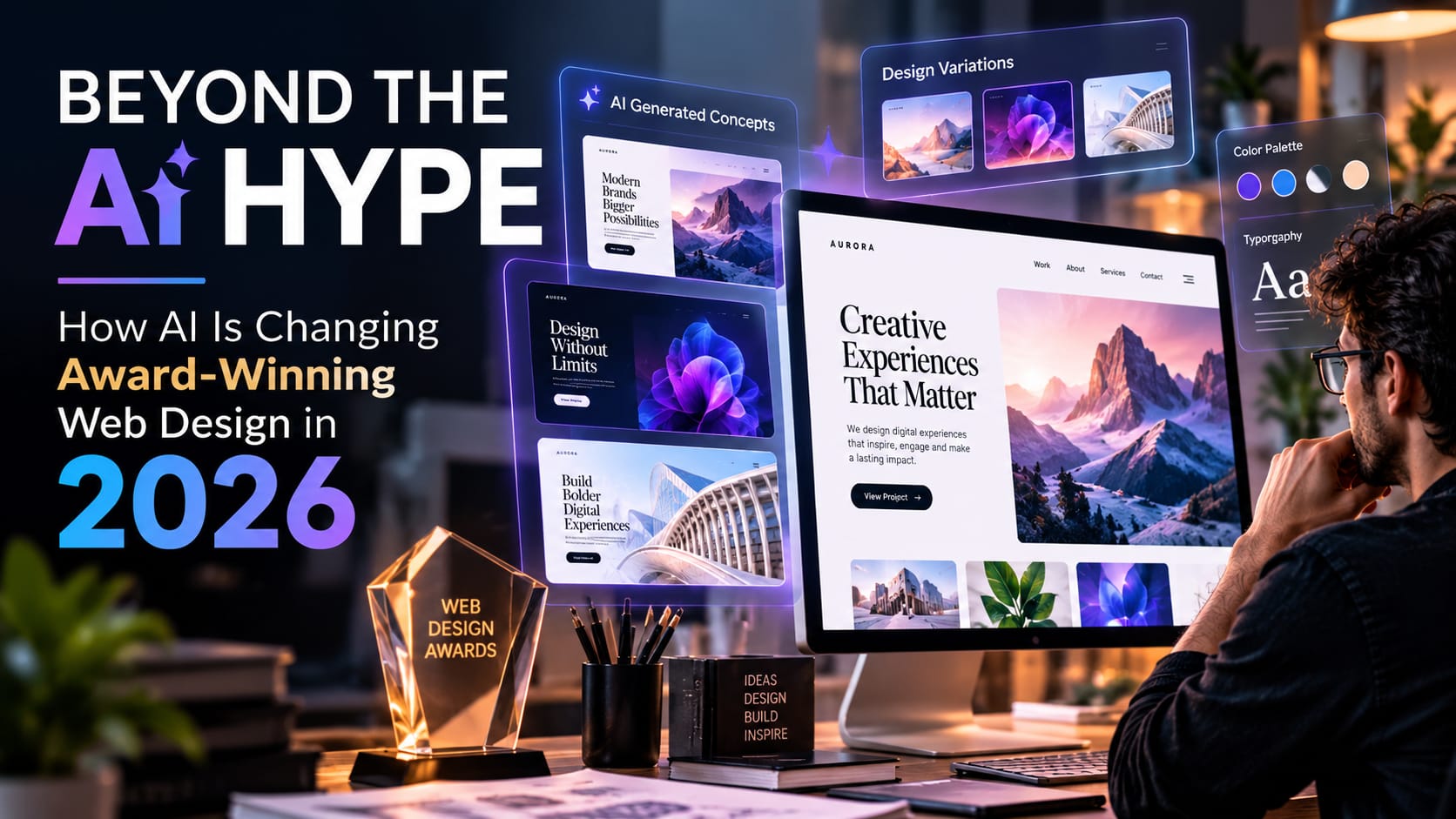
It's time to move beyond basic prompts and discover how some of the best digital creators are leveraging advanced generative AI to create award-winning websites in 2026.
When generative AI exploded into the mainstream in 2023, one question dominated the creative industry: would AI replace designers, developers and artists? Three years later, the answer looks very different. The internet was flooded with software and memes that intrigued users to build a platform from simple text prompts. The early 2000s offered a glimpse of the future, but the final products usually felt repetitive and generic and lacked a human touch. But alas, as we move into the future, the initial hype has faded as people have become more familiar with AI. Creative minds don't look at machines as some cheap shortcut but as a way to interact with smart machines. They are using AI for transformation and to handle tedious tasks so that they can use their creative storytelling to build next-level award-winning websites.
The shift from automation to true creation
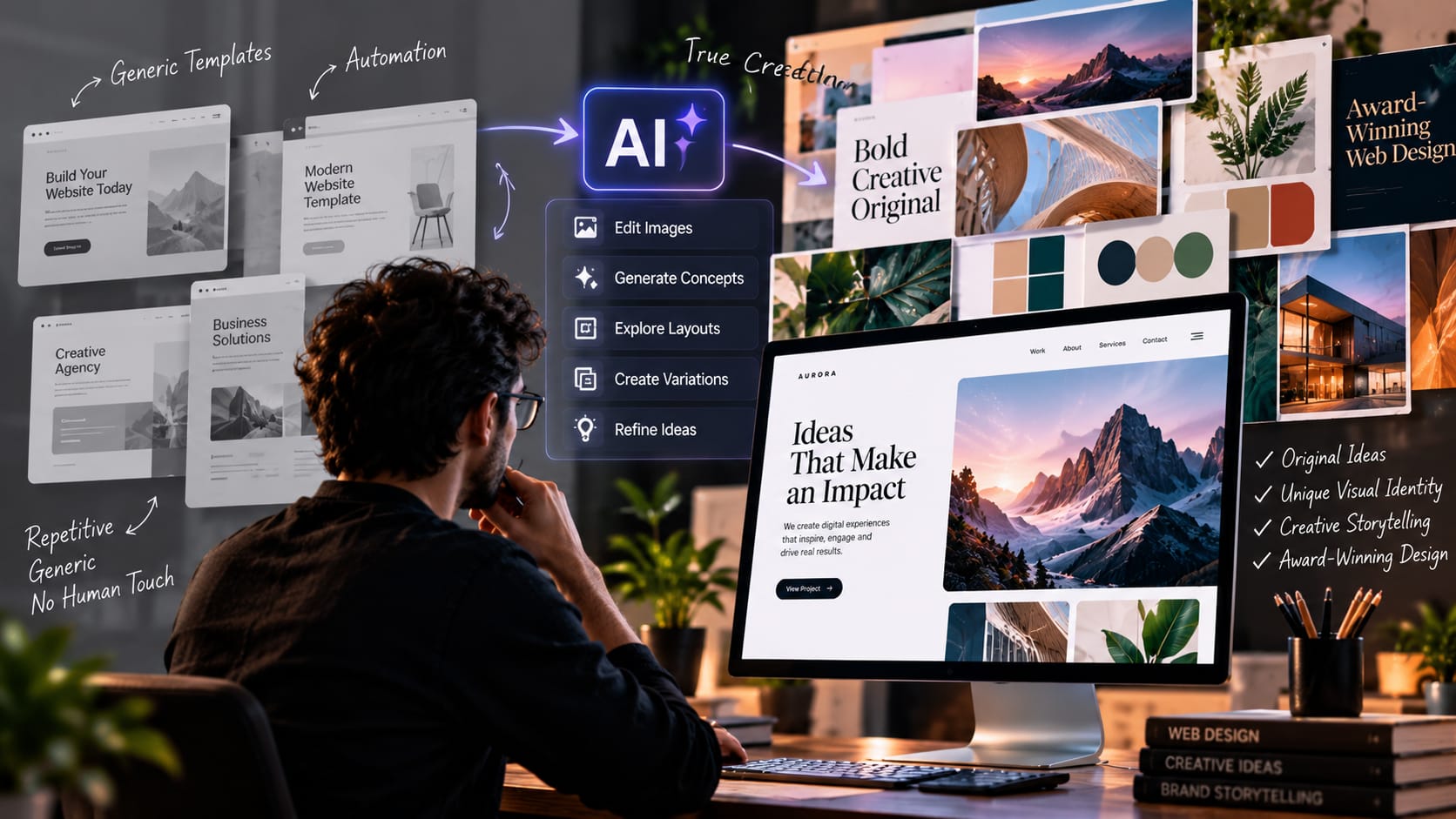
In the early days of tech exploration, frontend developers and visual artists were constantly worried about losing their jobs to automated software and artificial intelligence technology. Instead, today's scenario has changed the opposite, as artificial intelligence technology has helped artists and designers find their true creative side. The Internet is now flooded with millions of boring, machine-generated generic templates that are not even worth a penny.
That's why brands need high-end custom design templates to make their name in the list of best web awards globally. The teams that are evaluating these awards do not use algorithms but let their creative thinking work for them. AI is often used for complex image editing and repetitive production tasks so that humans can experiment with layouts, create original artwork and customise micro animations to capture true emotional depth.
Smart testing before writing any code
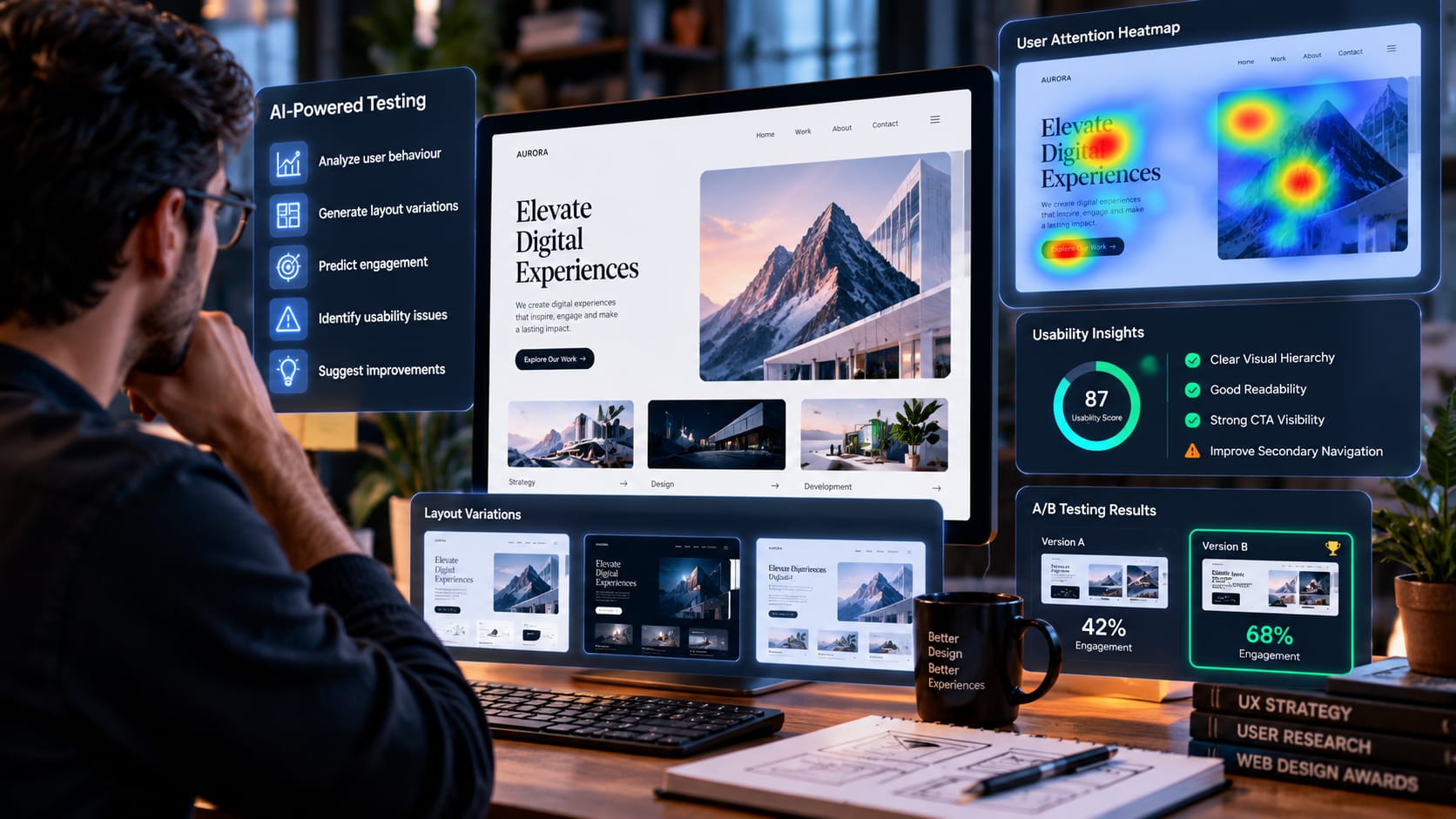
If you are thinking of building a brand that ranks among the highest award-winning sites, then you need the right preparation and precise user data. Creators are actively using predictive tracking systems powered by machine learning algorithms to test different experimental layouts before even executing a single line of code. Smart system simulation is helping human eyes move across screens and allowing designers to move buttons, optimise visual balance and tweak headings before the launch.
With the use of AI tools, testing gets better, and the platform scores exceptionally well on core usability metrics. It also allows designers to let their creativity flow with absolute certainty that the final interface will be smooth, intuitive and highly functional when users start coming to the website.
Creating websites that change for you
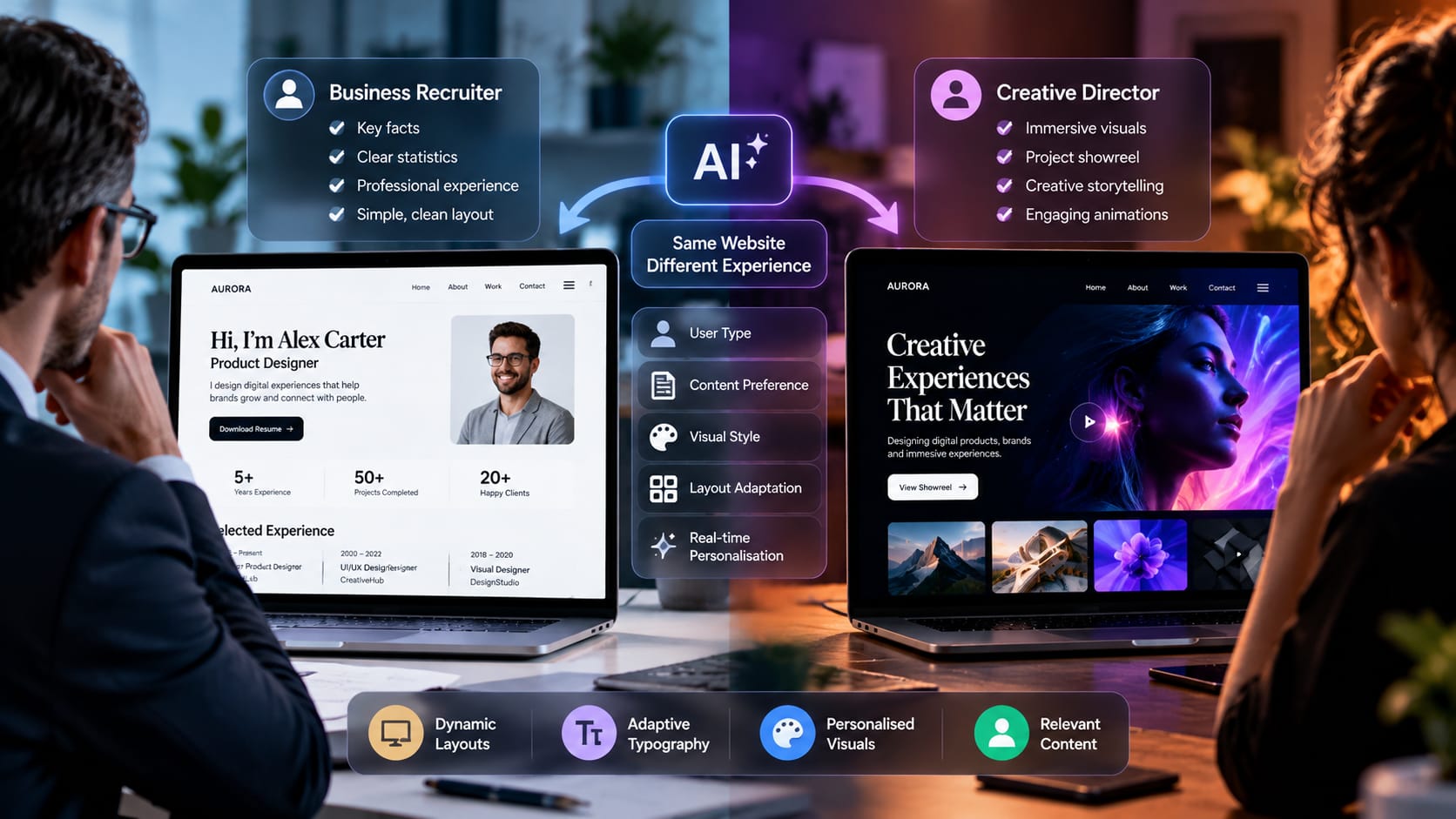
The best thing about using modern-day webpages is the shift away from static web pages. Now you can create a website that adapts its content and layout to different users without changing the whole structure in real time. For example, on a platform you can seamlessly rearrange the layout grid, adjust the font size and alter its visual scheme based on the personality of the user.
If the business recruiter opens the page, it will show them key facts, clear statistics and a simple resume layout. On the other hand, if the creative director opens the same web link, then the website will show him an immersive, highly visual showreel. This is called a customised interaction that will make browsing an unforgettable experience for every user. This is also one of the important factors that experts consider for website awards globally.
Optimisation that works under the hood
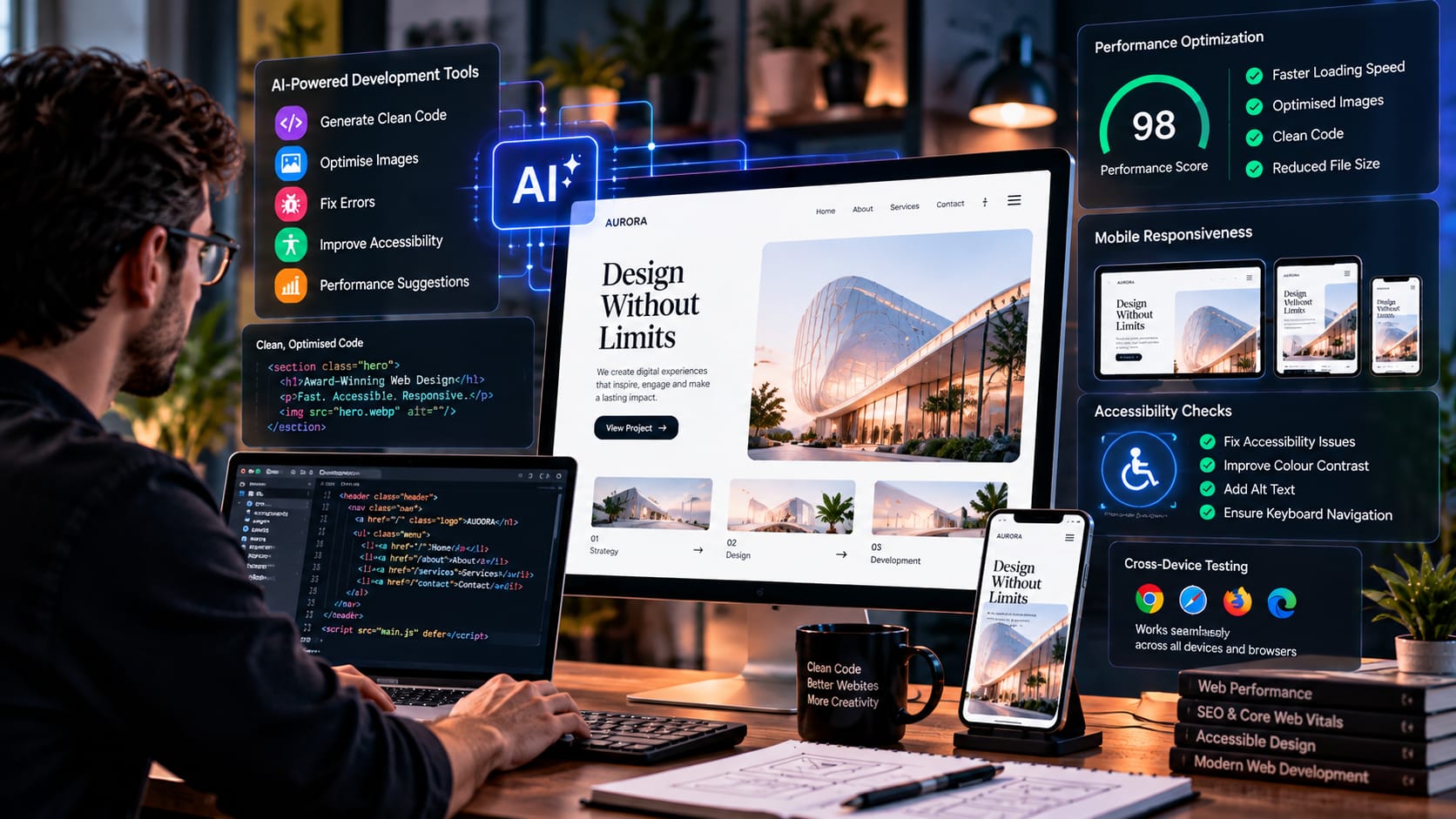
Creating high-end art is all about balancing incredible speed and flawless technical aspects of a website that can win over modern reviewers easily. AI-powered design tools and plugins will allow creators to turn their visuals into production-ready code instantly without losing any artistic capabilities. Along with that, AI can help with visual effects or broken code by identifying accessibility errors on the fly.
Hence, using automatic tools can be a good thing to make highly complicated, visually pleasing websites achieve faster loading speeds and full mobile responsiveness. For brands, it is necessary to perfect that technical performance across different kinds of devices before they earn a true award-winning web design competition.
Conclusion
Hence, automatic software can easily handle the heavy lifting, but a human touch is necessary to win those prestigious website awards. Before you submit your project to Web Guru awards, make sure to look for different factors that can help you unleash your creativity and make your brand unique.