Article
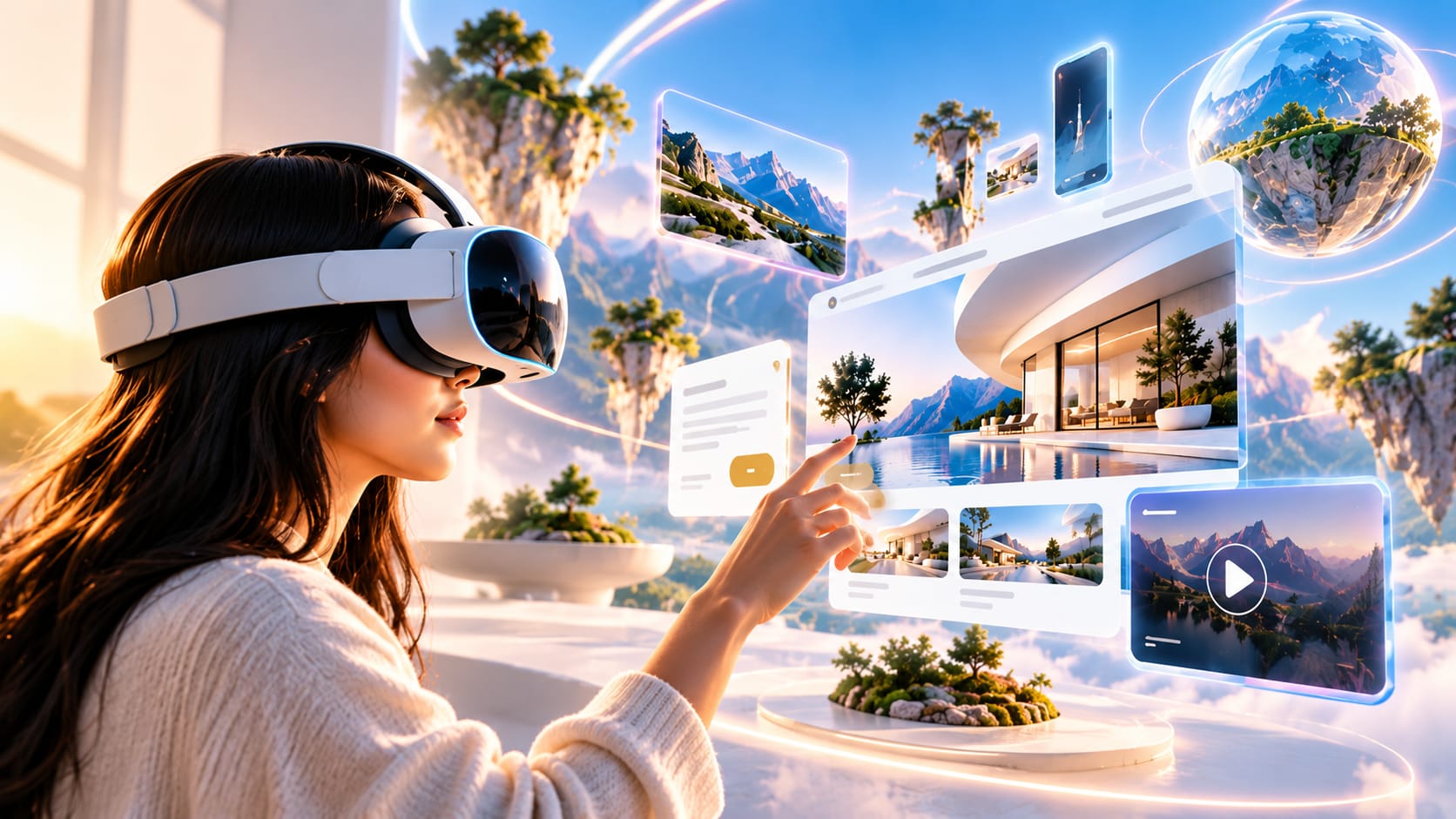
Spatial computing and mixed reality are defining modern user interfaces, and creators are building immersive 3D environments to win global web design awards in 2026. For a very long time, designers have traditionally worked within the limitations of two-dimensional screens. In 2D animation, every digital element had to fit within the screen's boundaries inside a fixed square border of any device, be it a smartphone, desktop or laptop monitor. But with the advent of modern technologies, these old physical boundaries have completely shattered. The Internet has now become famous, with millions of users spending most of their time using advanced virtual reality headsets, spatial computing goggles and mixed reality glasses. There has been a massive shift from a flat screen that doesn't excite people anymore. The brand needs something creative to move away from those boring screens and step directly into three-dimensional spaces. In this blog, we will discuss the new reality of 3D spaces and mixed reality.
Stepping Into 3D Spaces
Designing a website for a 3D environment needs a massive shift in our mindset and how we visualise layouts. For computer screens or smartphones, you need to create something basic, which can involve simple grid patterns to help users understand your brand story. But in spatial layouts, the entire experience will change according to the website itself. If you want to be one of the creators who wins the best web awards, you need to treat users' web browsers like an open architectural room. You need to experiment with 3D objects that occupy physical space and move dynamically in response to your movements, which was not possible in static pictures.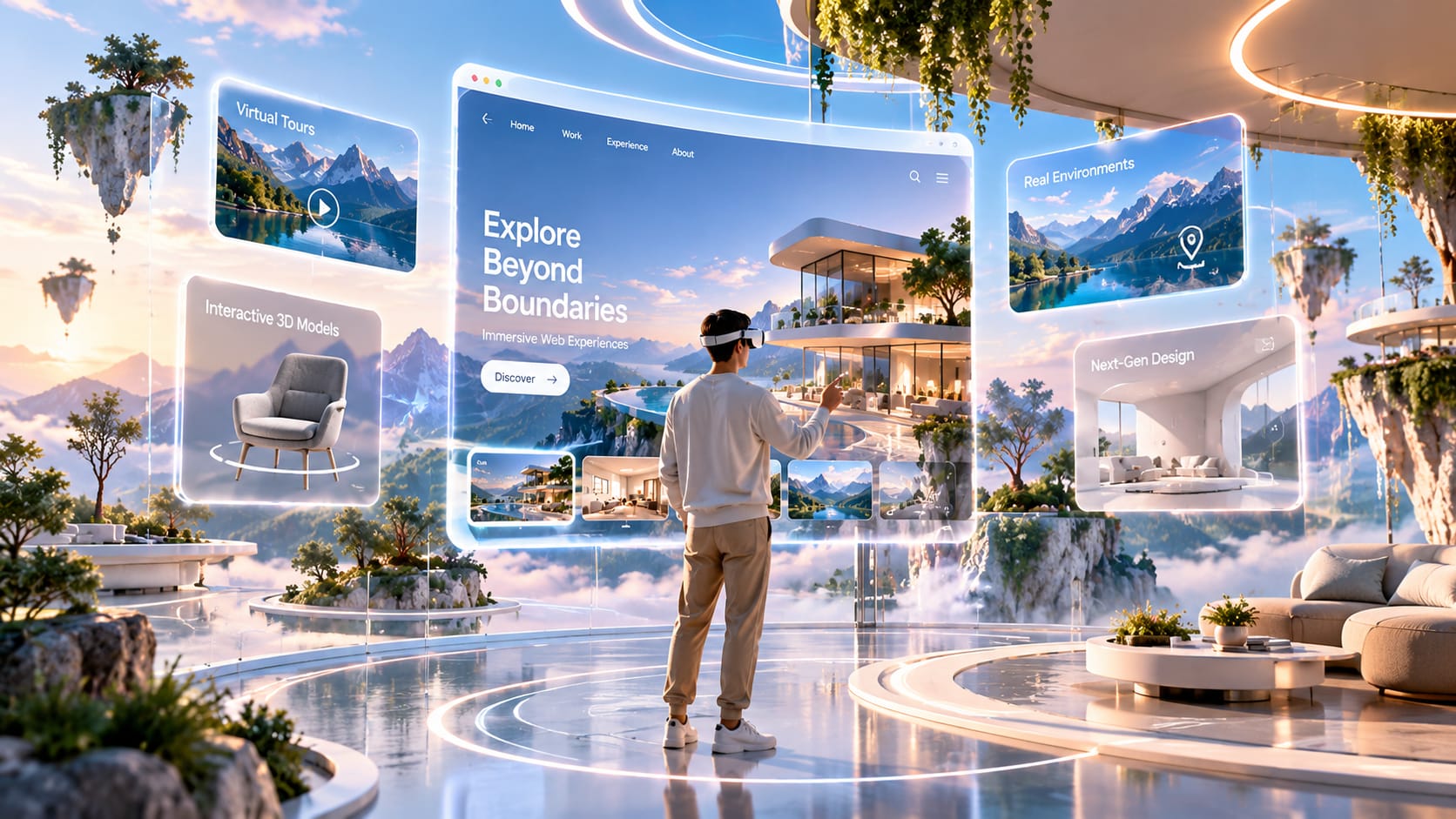
Visual assets floating in mid-air
In modern spatial layouts, different design elements need to react directly to human interaction. Your physical assets should move up, rotate or transform based on where the user looks or waves their hands using gesture controls. Not only that, but the textual content should also float beautifully in midair, casting realistic shadows within the virtual environment. Another important aspect of a website is the colour gradient and background texture that should be natural, based on the virtual lighting of the user's room. Hence, making the entire canvas feel alive, and it also turns the ordinary website browsing experience into a cinematic journey that never fails to capture user attention.
Giving UX a priority in an immersive universe
Spatial elements do add aesthetic visuals to the website, but core functionality is what truly defines a successful website. A 3D website that feels confusing, behaves erratically, suffers from lag, or has unreliable interactions or causes motion sickness will fail expert assessments. If you want to make your name in the most successful award-winning websites, then you need to maintain an absolute focus on user comfort and providing clean performance. You can easily achieve this by keeping the code incredibly clean for better loading times. Along with that, navigational pathways should be intuitive and can ensure users can explore the 3D environment naturally without getting lost or feeling confused with too many flashy elements.
Achieving cross-platform balance
The major challenge most visual designers face while designing a website is cross-platform compatibility. You must create an immersive web experience that looks absolutely breathtaking in virtual reality while remaining fully functional on standard mobile phones. To solve this problem, many development teams are building adaptive code that can be scaled visually based on the specific hardware the user is using. On a headset, a website can be transformed into a 3D room, but on a phone, it can be made into a highly interactive 2D layout with depth-sensing layers. This fluid transformation is necessary before you get crowned as an award-winning web design company. 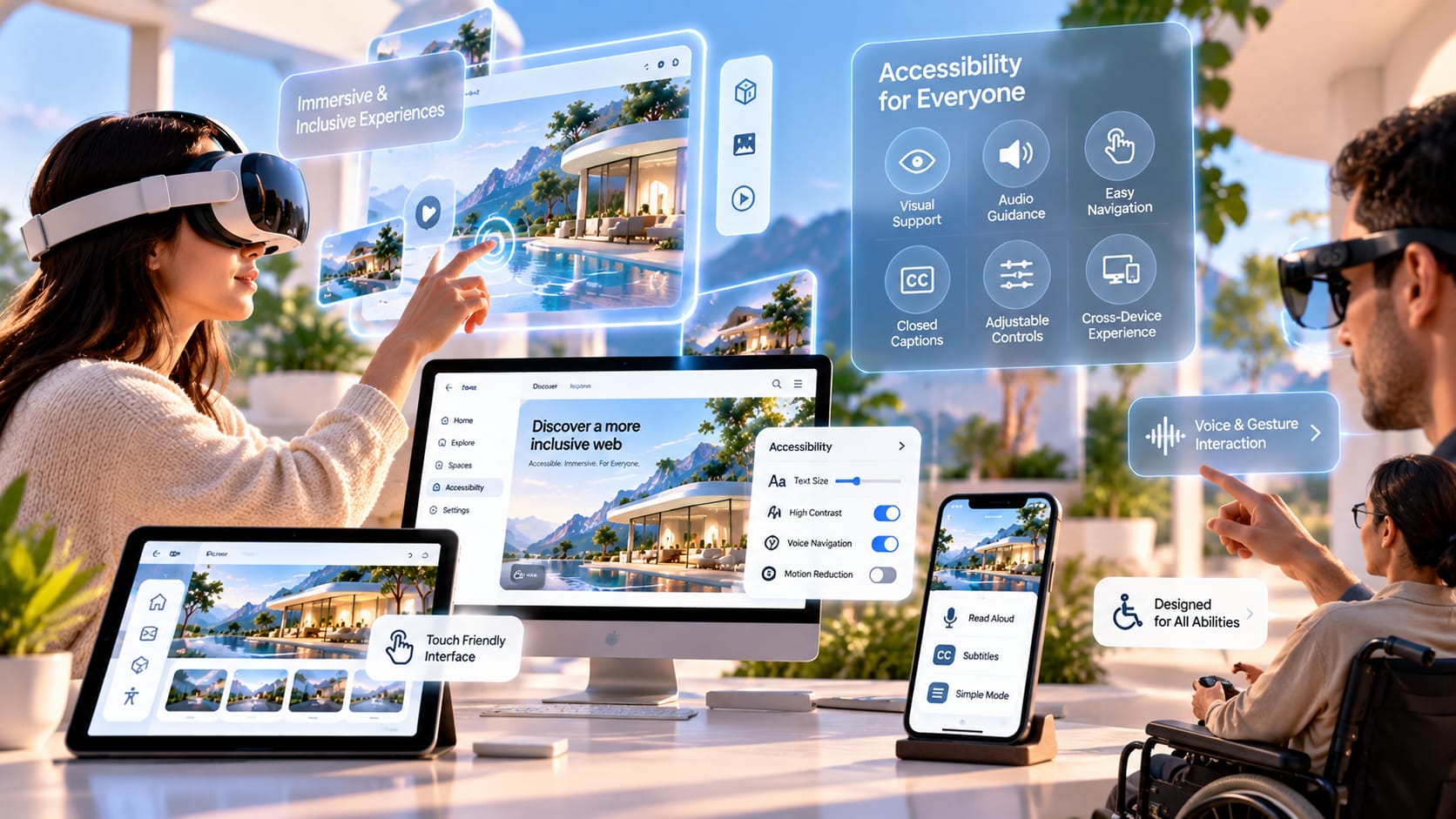
Setting the new interactive standards
Spatial hardware has become a household feature, and experts are no longer impressed by basic 3D shapes or cheap visual tricks. They are looking for a project that has gesture-controlled menus with flawless accessibility options for people with physical disabilities and seamless integration of spatial sound features. A true creative designer will ensure that their website is completely inclusive, highly useful for every single visitor and easy to navigate from one web page to another.
Conclusion
Hence, you can say that spatial computing has officially turned static web pages into visually appealing and immersive art forms. Before you submit your project to Web Guru Awards, make sure you are aware of spatial elements and layouts to rank above some of the award-winning web creators.