Article
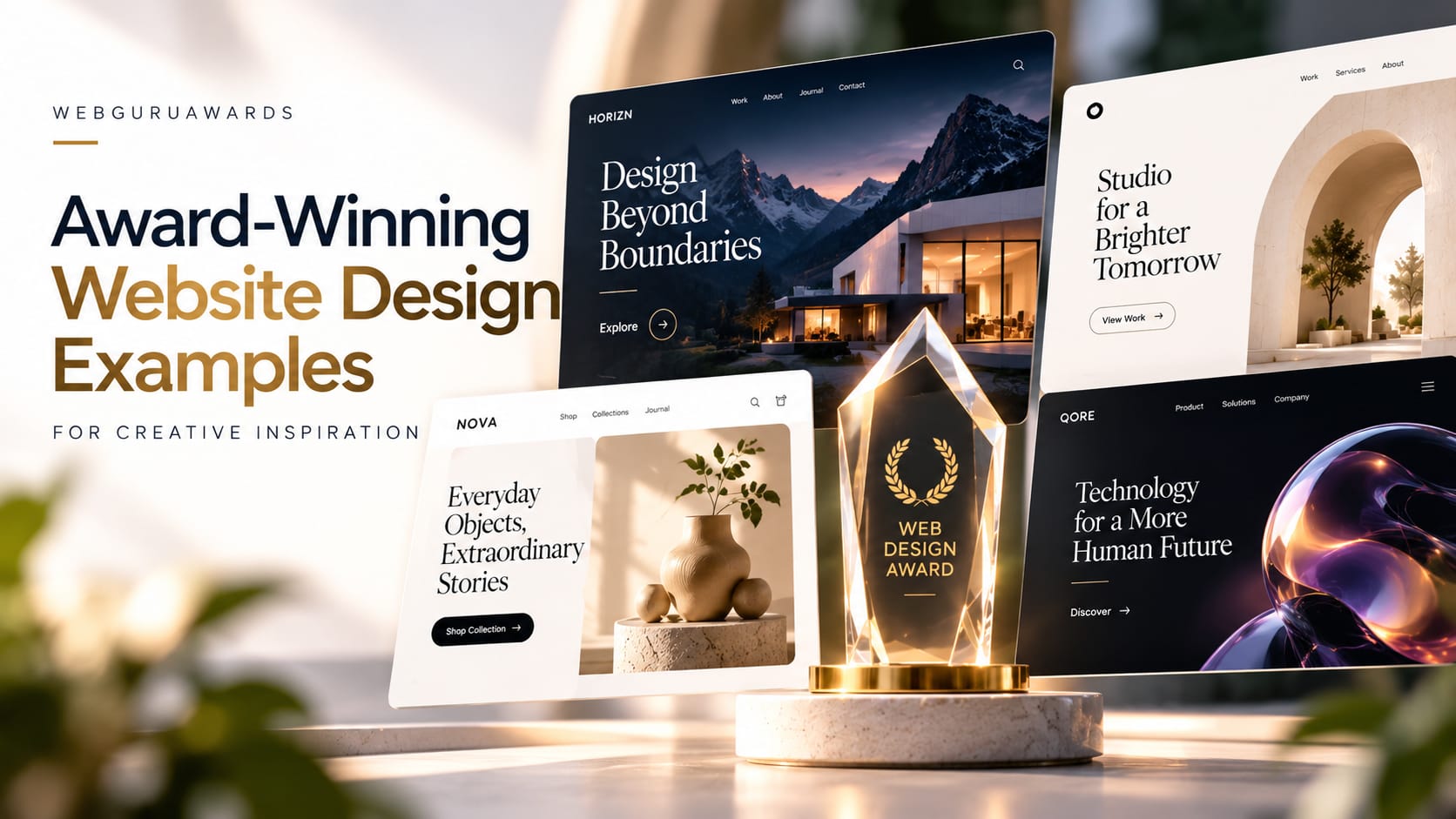
Do you know what makes a website creative, functional, and memorable at the same time? Sometimes, it's the features and immersive experience that grab visitors' attention, while at other times, it's the user experience that turns visitors into loyal customers. From minimalist portfolios to immersive layouts, thoughtful designs help designers engage users while maintaining a distinctive identity. In this blog, we will explore some award-winning website design examples to learn how to adapt to emerging trends while creating original, inspiring designs.
Why Explore Award-Winning Website Designs?
Whether you're unsure how to design a website or have too many ideas, drawing inspiration from other websites can be a valuable starting point. Exploring award-winning website designs helps you understand the importance of visual hierarchies, responsive layouts, branding, and intuitive navigation. It also shows you how to translate these elements into transformative projects. Instead of simply copying existing layouts, you can adapt these design principles to meet your users' needs and business goals.
Minimalist Portfolio Websites
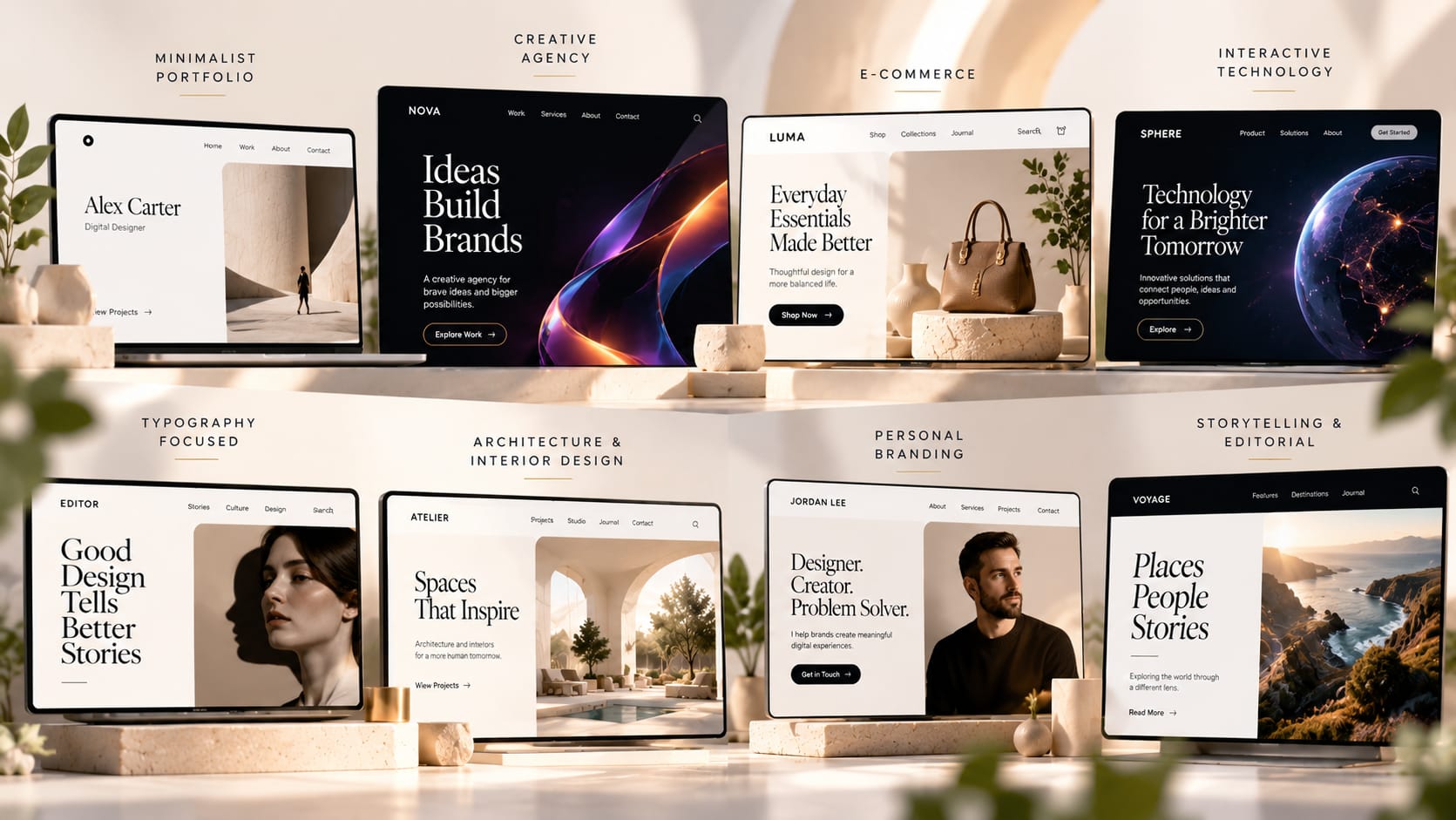
First, consider a clean, minimalist platform that can create a powerful impression on visitors. A minimalist portfolio uses clean layouts, whitespace, simple colour palettes, and carefully chosen images to focus on the user experience rather than unnecessary visual elements. These websites are ideal for independent designers, photographers, and illustrators who want to present concise descriptions and clear project galleries that users can explore easily. Some award-winning website designs are simple because they remove unnecessary clutter while balancing visual impact and functionality.
Creative Agency Websites
Creative agencies need a website that speaks for itself. Such a platform features bold typography, pops of colour, customised animations, and unconventional layouts to stand out. Small details can help communicate with users and showcase the brand's expertise. For example, engaging case studies, prominent CTAs, and clear service descriptions help balance creativity and ensure visitors understand the services offered.
E-Commerce Website Designs
The only goal of e-commerce websites is to sell products, right? Well, many successful e-commerce platforms use attractive product presentations to create a convenient shopping experience. Nowadays, shoppers can interact with and visualise products before making a purchase. That's why these sites need high-quality images, organised categories, clear pricing, and a simple checkout process to help customers complete their purchases hassle-free. To enhance the platform even more, you can add personalised recommendations and interactive product reviews. However, mobile responsiveness, fast loading speeds, and accessibility remain essential. An effective website design allows users to connect with your brand.
Interactive Technology Websites
Next, consider technology websites designed to be interactive and engaging for users. They rely on animations, motion graphics, and immersive media to explain complex information. Graphics allow users to explore different features and learn about the brand's innovative solutions more easily. For example, software animations can communicate product benefits to users without technical expertise. Micro-interactions are useful when they serve a clear purpose rather than distract users from essential content.
Typography-Focused Websites
Typography-focused websites use oversized headlines, contrasting colour schemes, and carefully considered spacing to create a visual hierarchy. Typography-focused award-winning websites work particularly well for editorial publications, creative studios, and brands with distinctive personalities. A consistent font scheme and effective typography ensure that your content is readable across platforms without compromising accessibility.
Architecture and Interior Design Websites
Architecture relies heavily on visuals, and architecture websites reflect this by showcasing projects and portfolios. Their main elements include large photographs, structured galleries, neutral colours, and layouts that showcase materials, proportions, and intricate details. Each web page can feature detailed project descriptions and information, with subtle transitions that enhance the browsing experience without relying on overly complex visuals. These websites showcase visual work and help establish professional expertise.
Personal Branding Websites
Personal branding websites centre on an individual or organisation and showcase their skills, achievements, and accomplishments. These websites feature concise biographies, professional images, accessible contact details, and examples of completed projects. You can use clear typography and colours to support easy navigation and guide users towards specific services. Personal branding websites are ideal for freelancers, consultants, and entrepreneurs who want to build trust and establish a strong online presence.
Storytelling and Editorial Websites
In storytelling and editorial websites, visuals play a central role. Information is communicated through visuals, photographs, graphics, customised illustrations, and carefully paced scrolling. These websites are ideal for editorial publications and cultural organisations that want to present complex ideas in a simple yet understandable way. Incorporating multimedia elements and interactive graphics helps designers strengthen a story when these elements serve a clear purpose. To make the experience more enjoyable, you can add readable typography, accessibility features, and a logical content structure.
How to Analyse Website Design Examples
As they say, appearance isn't everything when it comes to performance. The same applies to your website. When evaluating leading entries and winners of website design awards, don't be distracted by visuals alone. Instead, take the following factors into consideration:
- Visual hierarchy: Does the visual layout guide or confuse users?
- User experience: Is the website easy to navigate?
- Originality: Does your design tell your brand's story?
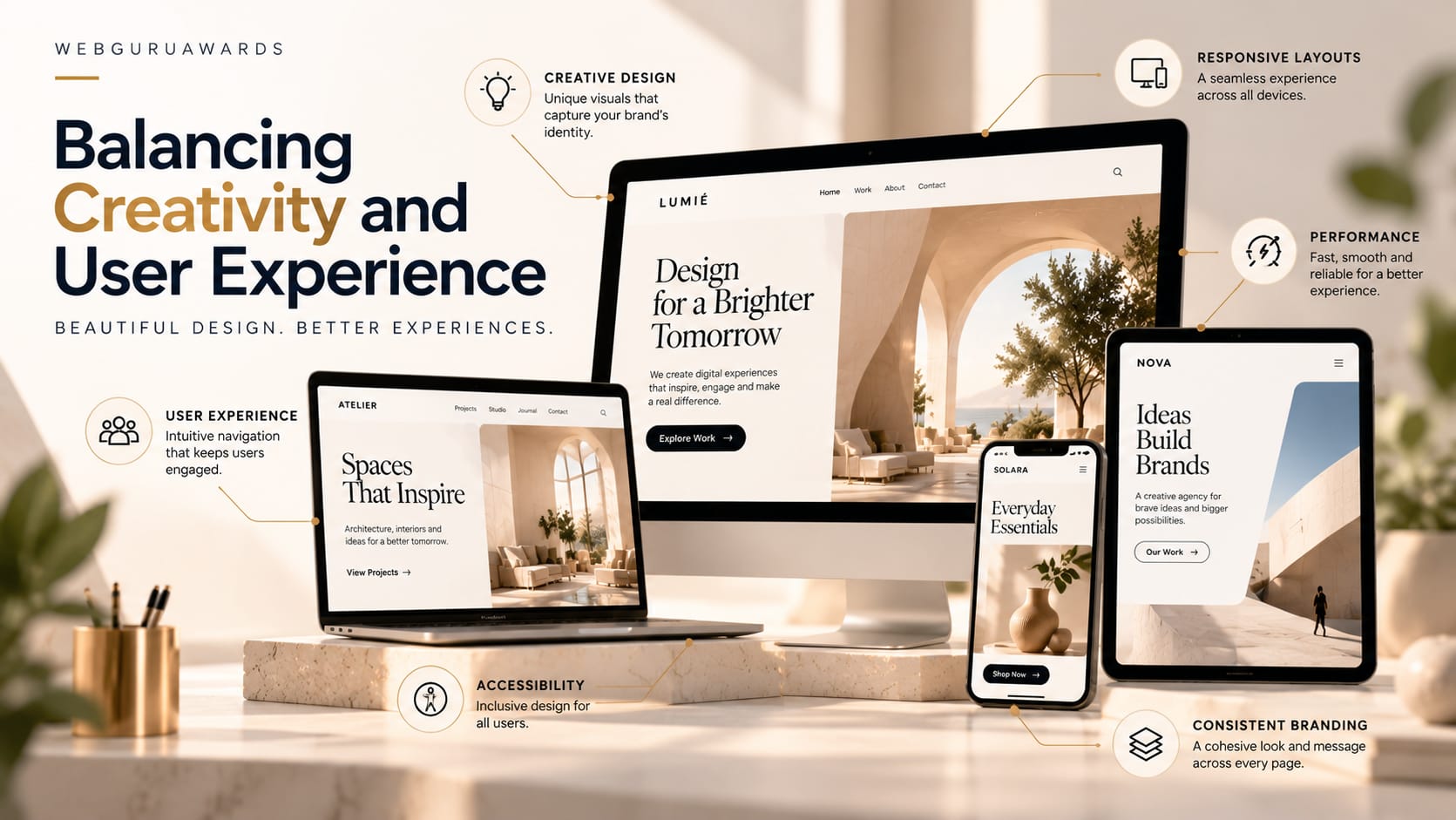
- Performance: Does your website work smoothly across different devices?
- Accessibility: Is the website accessible to all users? Are the content and visuals easy to understand?
- Consistency: Do the visuals and messages support the brand?
These questions and criteria can help you evaluate your design choices and apply relevant insights to your own projects.
Turn Inspiration into Your Own Designs
Creating unique and original websites can be challenging. However, by drawing inspiration from others and finding ideas that align with your users' goals, brand identity, and business objectives, you can create impressive websites. Experimenting with and testing different designs, colour combinations, and interactive features can help you create a smooth, visually distinctive website. Finally, test your website across devices to ensure cross-platform compatibility, a distinctive appearance, and smooth performance.
Final Thoughts
Award-winning website designs demonstrate how creativity and functionality can be balanced to create memorable user experiences. By understanding these website styles, evaluating their strengths, and adapting relevant principles, designers can create original websites that communicate effectively with users. Such websites support long-term business goals and engage visitors effectively.